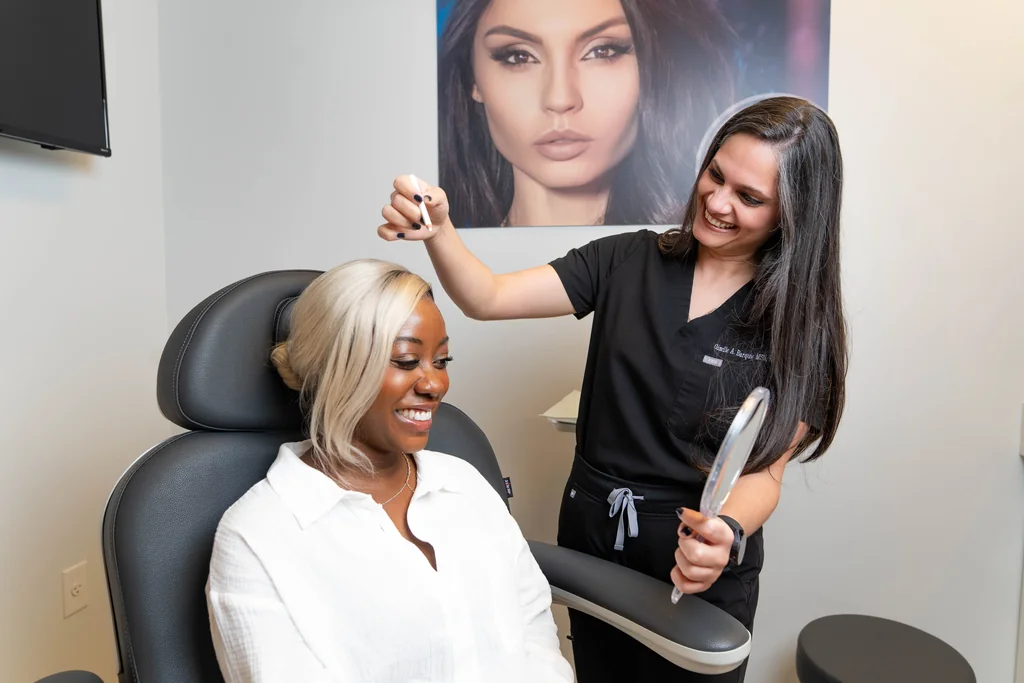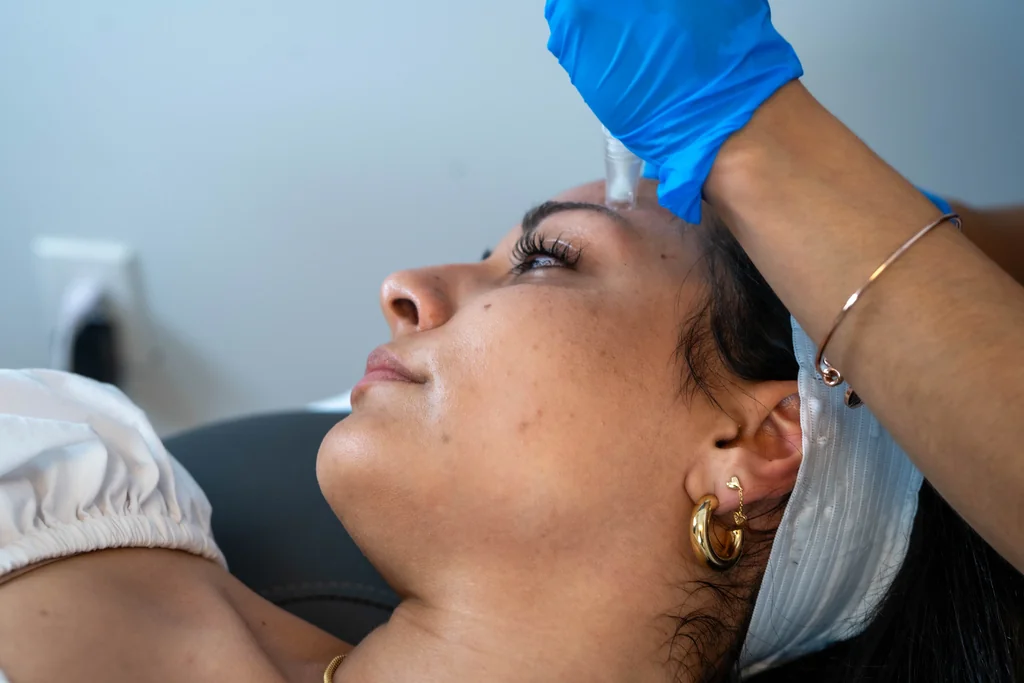

Acne is a skin condition that develops when hair follicles clog with excess oil, dead skin cells, and bacteria, triggering inflammation that produces pimples, blackheads, cysts, and nodules. Hormonal shifts, genetics, stress, and diet all influence sebum and pore congestion. When breakouts resist topical care, an underlying hormonal or inflammatory cause is usually the reason.
Understanding Acne
Answer: Acne is a skin condition that develops when hair follicles clog with excess sebum, dead skin cells, and bacteria, triggering inflammation that produces pimples, blackheads, cysts, and nodules. Hormonal shifts, genetics, stress, and diet all influence sebum production and pore congestion.
When the same breakouts keep returning despite topical treatment, it usually signals a hormonal or inflammatory driver that surface skincare cannot reach. Elevated androgens raise sebum production, insulin resistance can trigger similar hormonal cascades, and gut imbalance often amplifies inflammation through the gut-skin axis. Acne scars form separately, when moderate to severe lesions damage collagen and tissue. Understanding which driver is behind your breakouts is the first step toward clearing them for good.
What causes acne?
Answer: Acne is driven by four interacting factors: excess sebum, dead skin cells that clog pores, Cutibacterium acnes bacteria, and inflammation. Hormones, genetics, stress, and a high-glycemic diet all amplify these mechanisms.
Hormonal fluctuation is one of the most common triggers. Rising androgens during puberty, the menstrual cycle, pregnancy, or an underlying imbalance push the sebaceous glands to produce more oil, which is why hormonal acne tends to be cyclical and clusters along the jawline and chin. The American Academy of Dermatology outlines how oil, bacteria, and hormones combine to cause acne. Diet and gut health add another layer: high-glycemic foods can spike insulin and androgen activity, while dysbiosis and low zinc or vitamin D feed inflammatory skin conditions through the gut-skin axis.
What are the different types of acne?
Answer: Acne lesions fall into two groups. Non-inflammatory comedones are blackheads and whiteheads, while inflammatory acne includes red papules, pustules, and the deeper cysts and nodules that are most likely to scar.
Most people have a mix of types, and the severity guides treatment. Blackheads and whiteheads form when a pore clogs but stays near the surface. Inflammatory lesions develop once bacteria multiply and the immune system responds, producing the painful, swollen breakouts. Cystic and nodular acne reaches deep into the skin and damages surrounding tissue, which is why it carries the highest risk of scarring and benefits most from early professional care.
How is acne diagnosed and the cause identified?
Answer: Acne is diagnosed by a visual skin exam, but identifying the underlying driver may involve hormone and metabolic lab testing, especially when breakouts are cyclical, cystic, or resistant to topical treatment.
A provider classifies the acne by lesion type and severity, then looks for patterns that point to a cause. Jawline breakouts that flare with the menstrual cycle suggest a hormonal driver, while widespread inflammation may reflect diet, gut health, or nutritional gaps. Lab work can check androgens and markers tied to insulin resistance, since hormonal imbalances frequently sit behind stubborn adult acne. Pinpointing the driver is what separates a plan that clears acne from one that only manages it temporarily.
What are the treatment options for acne and acne scars?
Answer: Active acne is treated by reducing oil, bacteria, inflammation, and the hormonal triggers behind it. Acne scars, which involve lost collagen, are treated with procedures that rebuild tissue, such as microneedling, CO2 laser resurfacing, and dermal fillers.
The right approach depends on whether the goal is clearing active breakouts, repairing scars, or both. The table below compares common professional options by how they work and what they suit best.
| Treatment | How it works | Best suited for |
|---|---|---|
| Microneedling | Controlled micro-injuries stimulate new collagen and elastin | Rolling and boxcar scars, enlarged pores, uneven texture |
| CoolPeel laser resurfacing | Fractional CO2 laser resurfaces the skin and stimulates new collagen | Shallow-to-moderate acne scars and uneven texture |
| Dermal filler injections | Restores volume beneath depressed scars | Deeper atrophic boxcar and rolling scars |
| IV nutritional therapy | Delivers antioxidants, vitamin C, and zinc to lower systemic inflammation | Inflammatory acne cycles driven from the inside out |
Many plans combine an internal approach that calms the inflammation feeding breakouts with a collagen-stimulating procedure that repairs the scars left behind. The Cleveland Clinic notes that acne treatment is most effective when matched to lesion type and severity.
Can acne be controlled long term, and will it come back?
Answer: There is no one-time fix for acne, but it can be controlled and often cleared. Most acne improves with the right plan, and many cases resolve over time once the underlying hormonal or inflammatory driver is addressed.
Because acne is rooted in oil production, hormones, and skin-cell turnover, breakouts can return if the driver is not managed. The encouraging part is that addressing the cause, rather than only the surface lesions, makes results far more durable. Scars are different: once formed, they do not fade fully on their own, but collagen-rebuilding treatments can reduce their depth and visibility substantially.
How is acne connected to hormones?
Answer: Hormones are one of acne's strongest drivers. Androgens such as testosterone enlarge the sebaceous glands and increase oil production, so hormonal swings during puberty, menstruation, pregnancy, or imbalance often trigger breakouts.
This is why acne that clusters on the lower face, flares with the cycle, or appears in adulthood frequently traces back to hormonal patterns rather than skincare habits. Insulin resistance can amplify the effect by raising circulating androgens. When testing confirms a hormonal pattern, treating the imbalance, rather than only the skin, is often what finally breaks the cycle. Care at AARx is led by Chief Medical Director Dr. Dawn Ericsson, MD, a board-certified OB/GYN whose team evaluates these hormonal and metabolic drivers as part of a complete skin plan.
When should you see a provider about acne?
Answer: See a provider if acne is painful or cystic, leaves scars or dark marks, resists over-the-counter products after several weeks, or affects your confidence. Early care for deep lesions is the best way to prevent permanent scarring.
Mild breakouts often respond to consistent at-home skincare, but cystic and nodular acne, recurring flares, and post-inflammatory pigmentation warrant professional evaluation. A provider can identify the driver, treat active lesions, and repair existing scars in one coordinated plan. If breakouts keep returning despite your best efforts, that persistence itself is the signal to be evaluated. Schedule a skin evaluation to start with a clear diagnosis.
Common symptoms
Symptoms evaluated at AARx include:
How we treat acne
Care plans are personalized to the root cause. Treatments include:
- Microneedling at our medical spa: SkinPen microneedling creates controlled micro-injuries that stimulate new collagen and elastin production, particularly effective for rolling scars, boxcar scars, enlarged pores, and uneven texture without surgery or significant downtime.
- CoolPeel laser resurfacing: CoolPeel is a fractional CO2 laser that resurfaces the skin to soften shallow-to-moderate acne scars while stimulating new collagen, with far less downtime than traditional resurfacing. Settings are calibrated to your skin type.
- Dermal filler injections: For deeper atrophic scars such as boxcar or rolling types, dermal fillers restore volume beneath the skin surface, visibly reducing scar depth and creating a smoother texture.
- IV therapy at our Tampa Wellness center: IV nutritional therapy delivers antioxidants, vitamin C, zinc, and anti-inflammatory compounds directly into the bloodstream, reducing the systemic inflammation that feeds chronic acne cycles.